
Microsoft Azure Certification Roadmap in 2026
Cloud computing has quickly become the backbone of modern business, changing how companies store data and run applications. If you want to build a career in this fast-growing field, understanding the microsoft azure certification roadmap will help you plan your journey. Microsoft Azure is one of the leading cloud platforms in the world, used by thousands of organizations to manage their online infrastructure. Learning how to navigate these technical systems requires time and a structured learning path. A clear plan ensures you do not waste time studying the wrong topics. By earning official certifications, you can prove your technical abilities to employers, build confidence, and open doors to new career opportunities in the technology industry.
Why Pursue an Azure Cloud Certification?
Building a successful career in the tech industry requires showing employers that you have practical, verified skills. A professional certificate from a recognized provider like Microsoft is an excellent way to do exactly that. When you study for these exams, you gain structured knowledge that goes beyond simple tutorials. You learn how different cloud services connect, how to secure private company data, and how to keep costs low. These are real challenges that businesses face every single day, and knowing how to solve them makes you a valuable team member.
Furthermore, cloud professionals are in high demand across many industries. From healthcare systems protecting patient records to retail brands building online stores, organizations need experts to manage their systems. Earning a certificate shows that you have the discipline to study complex topics and pass standard exams. It also gives you a common technical language to use when discussing projects with other engineers. Investing time in your learning helps you stand out in a competitive job market and prepare for roles like cloud administrator, developer, or security analyst.
Navigating the Microsoft Azure Certification Roadmap
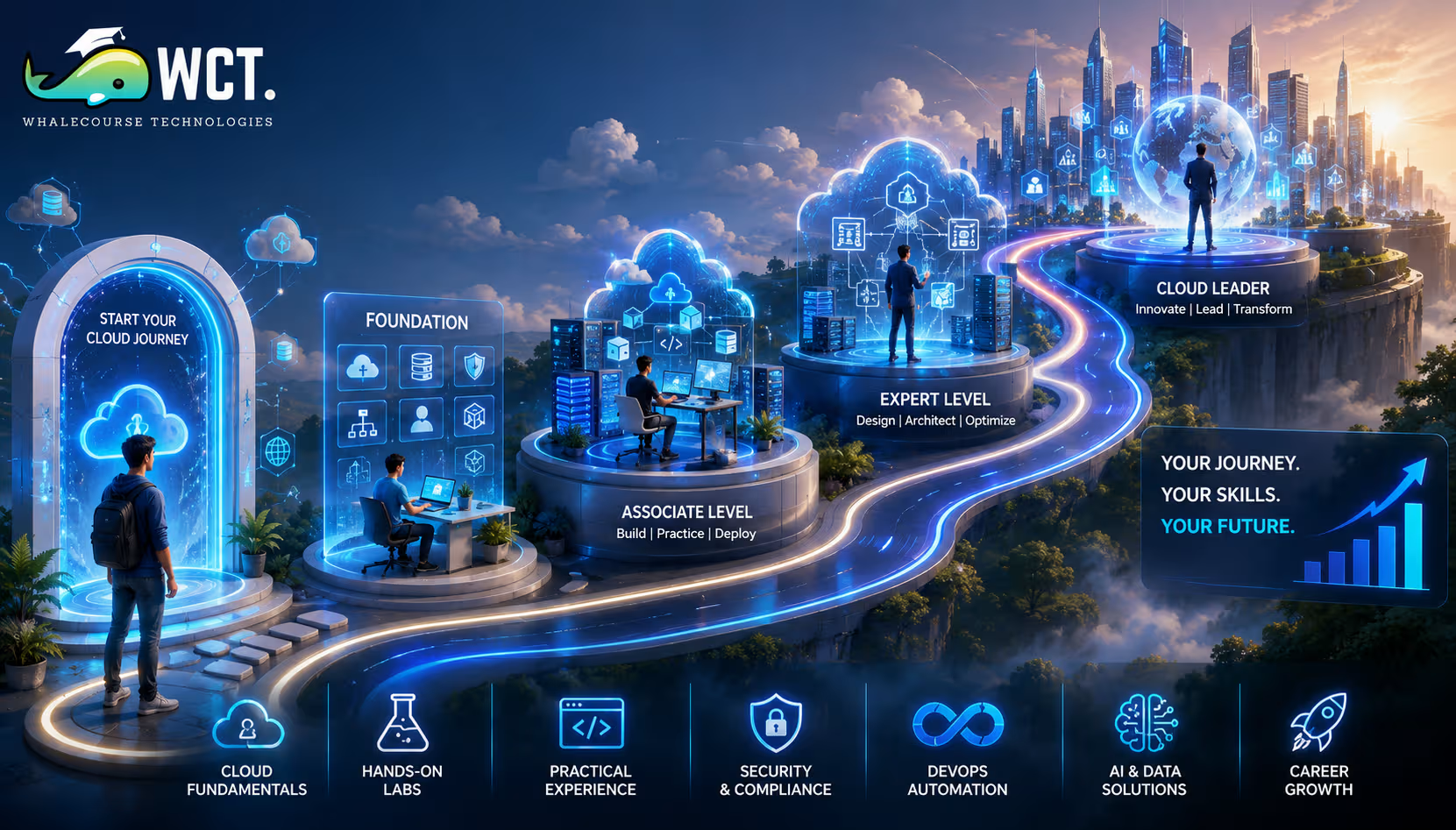
The cloud ecosystem is vast, which is why Microsoft organizes its learning paths into different levels of difficulty. This structure helps you progress naturally from a complete beginner to a highly skilled professional. Let us look at the main stages of the microsoft azure certification roadmap so you can find where you fit best.
1. The Fundamental Level: Building Your Core Knowledge
If you are completely new to cloud computing, the fundamental exams are the best place to start your journey. The most famous test in this tier is the AZ-900, which covers basic cloud concepts and general Azure services. You will learn about key terms like Infrastructure as a Service (IaaS), Platform as a Service (PaaS), and Software as a Service (SaaS). You also learn how cloud security works and how Microsoft bills companies for using their resources. Other fundamental tests focus on data basics (DP-900) and artificial intelligence concepts (AI-900). These exams do not require a deep technical background. They are designed for students, managers, sales representatives, and anyone who needs to talk about cloud technology intelligently. Passing a fundamental exam builds a solid foundation before you move on to complex technical training.
2. The Associate Level: Developing Your Specialty
Once you understand the basics, you are ready to choose a specific career track at the associate level. This is where you develop hands-on skills for daily engineering tasks. If you enjoy managing infrastructure, you might choose the Azure Administrator (AZ-104) path, where you learn to manage virtual machines, storage, and networking. If you prefer writing code and building applications, the Azure Developer (AZ-204) certificate is a better fit. Other options at this level focus on database management, security engineering, and artificial intelligence development. Associate exams require practical experience, so you should spend time using the Azure portal and writing scripts. Earning an associate credential proves that you can perform specific job roles under normal supervision, making it a critical milestone for finding your first technical job.
3. The Expert Level: Leading Complex Cloud Solutions
For experienced professionals who want to lead technical teams and design large-scale systems, the expert level is the ultimate goal. The main certificate here is the Azure Solutions Architect Expert (AZ-305). To earn this, you must already hold the associate administrator certificate and pass a challenging exam on system design. You will learn how to build reliable, scalable, and secure systems that span multiple locations around the world. Another key track is the DevOps Engineer Expert (AZ-400), which teaches you how to automate software delivery and manage code pipelines. These certifications require deep critical thinking and the ability to solve complex business problems. Holding an expert credential positions you for senior roles like principal architect, lead engineer, or technical consultant.
4. Specialty Certifications: Narrowing Your Focus
In addition to the standard levels, Microsoft offers specialty credentials for specific systems and industries. These certifications validate your knowledge in highly niche areas of technology. For example, if your company uses SAP software, you can take an exam focused on running SAP workloads on Azure. Another popular option is the Azure Cosmos DB Developer specialty, which focuses on advanced database designs. Specialty tracks do not fit neatly into a beginner-to-expert progression. Instead, they are side paths you can take whenever your job requires deep knowledge of a specific tool. Pursuing these certificates shows employers that you have unique skills that standard cloud administrators might not possess, giving you an edge in specialized industries.
Step-by-Step Guide to Preparing for Your First Azure Exam
Studying for a technical exam can feel intimidating, but breaking the process down into simple steps makes it manageable. Here is a practical guide to help you pass your first test:
- Read the exam guide: Microsoft provides an official outline for every exam. Review the guide thoroughly so you understand the skills, concepts, and subject areas included in the exam.
- Use Microsoft Learn: This is a free online platform where you can read articles, complete exercises, and use sandboxed cloud environments without paying anything.
- Build hands-on projects: Create a free Azure account and try building simple projects. Practice setting up virtual networks, deploying databases, and configuring security settings.
- Take practice tests: Use official practice questions to check your knowledge. This helps you get used to the format of the questions and learn how to manage your time during the actual exam.
Top Study Resources for Your Azure Journey
- Microsoft Learn Portal: The official starting point for any Azure study plan. It features free interactive modules, sandbox environments where you can practice without spending money, and detailed documentation.
- GitHub Lab Repositories: Free guides created by Microsoft trainers that provide step-by-step instructions for setting up networks, databases, and servers. Practicing these labs builds real engineering skills.
- Video Preparation Courses: Popular online learning websites offer structured video classes. Instructors explain complex cloud ideas using clear animations and practical demonstrations.
- Student Forums and Study Groups: Online communities on platforms like Reddit allow you to ask questions when you get stuck. You can share study notes, read exam reviews, and find advice from people who recently passed the tests.
How to Maintain and Renew Your Azure Certifications
Passing your exam is a major achievement, but technology does not stand still. Microsoft regularly updates its cloud services, which means your knowledge must stay current. Keeping your skills fresh is a core part of the microsoft azure certification roadmap. Fortunately, Microsoft has made the renewal process simple and free. Associate and expert certificates are valid for one year. Before your certificate expires, you can take a free online assessment on Microsoft Learn to renew it for another year. This assessment is open-book, and you can take it as many times as you need. This system encourages continuous learning without forcing you to pay for expensive exams every year.
Common Pitfalls to Avoid During Your Azure Prep
Many students make the mistake of relying only on practice questions, sometimes called exam dumps, to pass their tests. While these can help you understand the question format, they do not teach you how to solve real engineering problems. If you only memorize answers, you will struggle during job interviews and actual work tasks. Another common pitfall is trying to study too many topics at the same time. Focus on one certificate, master the required skills, and pass the exam before moving to the next level. Lastly, do not neglect security concepts. Microsoft emphasizes security in all of its training, so understanding identity management and data protection is critical for passing any exam.
Choosing the Right Starting Point for Your Career Goals
When you look at the microsoft azure certification roadmap, it is easy to feel overwhelmed by the number of options. To choose the right starting point, you must align your study plan with your long-term career goals. If you want to work as a system administrator, you should focus on the AZ-104 exam. If you want to work with data and building machine learning models, the DP-900 and AI-104 paths are your best choices. For those who want to manage budgets and cloud strategy, combining the AZ-900 and AZ-104 exams will give you the perfect balance of business and technical knowledge. Take your time, assess your current skills, and choose a path that fits your career aspirations.
Start Your Data Analytics Career Today
Join WhaleCourseTechnologies for affordable training with hands-on projects and placement support.
Conclusion
Starting your journey in cloud computing is an exciting decision, and Azure is an excellent platform to build your skills. By following a structured path, you can transition from a beginner to a highly valued expert. Remember that you do not need to learn everything at once. Start with the basics, practice with hands-on labs, and build a study routine that works for you. Each certificate you earn is a step forward in your professional development. As cloud services continue to grow, the skills you build today will form the foundation of a rewarding career. Explore the certification paths, set your study goals, and take your first step toward cloud mastery today.
In This Article
- Why Pursue an Azure Cloud Certification?
- Navigating the Microsoft Azure Certification Roadmap
- Step-by-Step Guide to Preparing for Your First Azure Exam
- Top Study Resources for Your Azure Journey
- How to Maintain and Renew Your Azure Certifications
- Common Pitfalls to Avoid During Your Azure Prep
- Choosing the Right Starting Point for Your Career Goals
- Conclusion
Enroll in Our IT Courses
Master IT Program at whalecoursetechnologies
- Expert Mentorship from IT Professionals
- Job-Ready Skills with Live Projects
- Career Boost Add-on Modules
- 100% Placement & Interview Support