Technology continues to transform how we work, learn, and build modern careers. Among the many programming languages available today, Python for Beginners has become one of the most popular starting points for people entering the IT industry. Python is widely known for its simple syntax, powerful capabilities, and ability to support many types of software development. Because of its beginner-friendly structure, students and career changers often start their journey with Python programming for beginners as their first step into the world of technology.
From web development to data science and artificial intelligence, Python plays a major role in many modern technologies. Its flexibility and ease of learning make Python programming basics an important skill for anyone interested in building a future in IT. In this guide, we will explore why Python is so important today, where it is used in real industries, and how beginners can start learning Python in a simple and practical way.
What Is Python Programming?
Python is a high-level programming language built to be simple, readable, and beginner-friendly. It was developed by Guido van Rossum and introduced in 1991. Today, Python is used by developers, data scientists, researchers, and technology companies across the world. Because the language is easy to understand, many students choose Python programming for beginners as their starting point when entering the programming field.
A major reason for Python’s popularity is its clear and simple syntax. Compared with languages like C++ or Java, Python code is easier to read and write. This allows beginners to focus more on learning programming logic instead of worrying about complex rules. For this reason, many learners begin by understanding Python programming basics, which helps them build a strong foundation before moving into advanced topics.
Another benefit of Python is that many programs can be written using only a few lines of code. This simplicity makes the learning process faster and more enjoyable for beginners. Because of these advantages, many schools and training institutes recommend Python as the first language to learn. When students start to Learn Python for beginners, they often realize that coding can be practical, structured, and much easier than they initially imagined.
Why Python Is the Ideal Programming Language for Beginners
Many programming languages exist, but Python is often the first choice for new learners. There are several reasons why beginners prefer Python.
Simple and Easy to Learn
The biggest advantage of Python is its simple syntax. The code looks very similar to normal English sentences. This helps beginners understand programming logic quickly.
Instead of focusing on complicated rules, learners can concentrate on problem solving and creativity.
Large Community Support
Python has a huge global community. Developers share tutorials, guides, and solutions online. This makes it easier for beginners to find help when they face challenges.
According to the Python Software Foundation, Python continues to grow because of its strong open-source community.
High Demand in the Job Market
Python is widely used in industries such as software development, data science, machine learning, and automation. Because of this demand, companies actively look for candidates with Python skills.
Learning Python programming basics can open the door to many IT career opportunities.
Applications of Python in Real-World Industries
Python is not restricted to a single field. It is widely used across many modern technologies and industries.
Web Development
Python frameworks like Django and Flask allow developers to build websites and web applications quickly.
Popular companies such as Instagram and Spotify use Python in their systems.
Data Science and Analytics
Python is one of the most important tools for data analysis. Libraries like Pandas and NumPy help analyze large datasets.
Students interested in analytics often start with Python programming for beginners because it supports powerful data tools.
Artificial Intelligence and Machine Learning
AI and machine learning technologies depend heavily on Python. Libraries like TensorFlow and Scikit-learn make it easier to build intelligent systems.
Many AI engineers begin their journey when they Learn Python for beginners.
Automation
Python can automate repetitive tasks such as file management, report generation, and data processing. This saves time and improves productivity.
Because of these applications, Python continues to grow in popularity across industries.
Python Skills That Beginners Should Learn
Before applying for jobs, beginners should understand the core concepts of Python. These basic topics form the foundation of programming knowledge.
Variables and Data Types
Variables store information such as numbers, text, or lists. Learning how to use them is one of the first steps in Python programming basics.
Conditional Statements
Conditional statements like if and else help programs make decisions. They allow software to respond to different situations.
Loops
Loops help repeat actions in a program. They are commonly used to process data or perform repetitive tasks.
Functions
Functions group code into reusable sections that perform specific tasks. They help make programs more organized, easier to understand, and simpler to maintain.
These concepts help beginners understand how software works. Once learners master these basics, they can move to advanced topics.
How to Start Learning Python as a Beginner
Starting your Python journey does not have to be difficult. With the right approach, anyone can begin learning step by step.
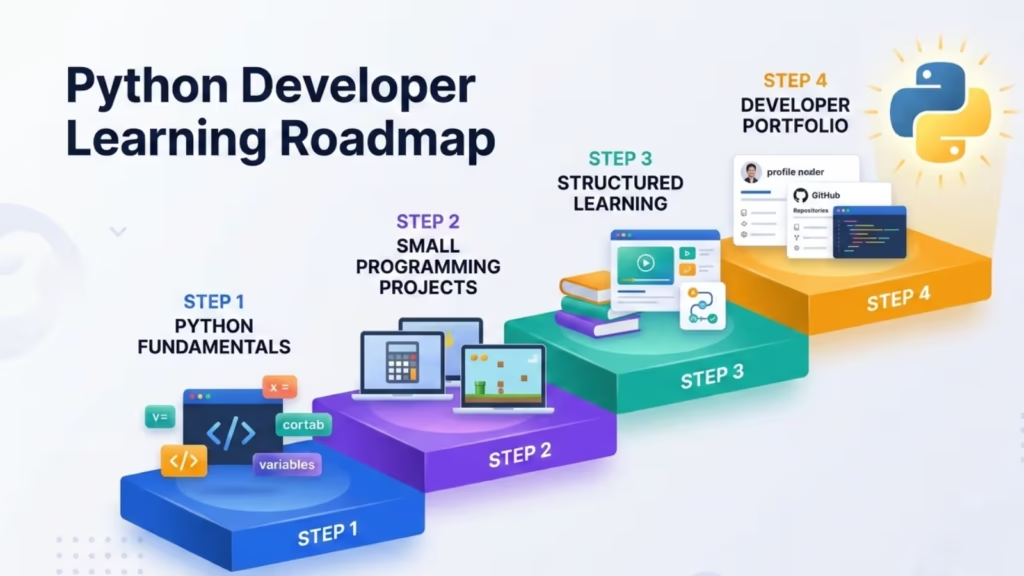
Step 1: Understand the Fundamentals
Focus first on Python programming basics such as variables, loops, and functions. A strong foundation will make advanced topics easier.
Step 2: Practice with Small Projects
Practice is essential. Try creating small programs such as calculators, number guessing games, or simple data analysis tasks. Projects help reinforce concepts and improve confidence.
Step 3: Follow a Structured Learning Path
Many beginners struggle because they learn topics randomly. A structured course helps learners progress step by step.
Students searching for a Python course in Chennai often prefer programs that include hands-on projects and real-world practice.
Step 4: Build a Portfolio
Creating small projects and sharing them online can demonstrate your skills to employers. Even simple programs can show your understanding of programming concepts.
Why Training Programs Help Beginners
Self-learning is possible, but many beginners benefit from structured training programs. Training provides mentorship, guidance, and practical experience.
Institutes like whalecourse Technologies provide beginner-friendly programs that focus on real projects and industry skills.
Students who enroll in Python training in Chennai often gain practical experience that helps them prepare for job interviews.
A structured learning environment also keeps students motivated and consistent.
Career Opportunities After Learning Python
Python skills can lead to several IT career paths. Many entry-level jobs require basic Python knowledge.
Python Developer
Python developers build applications, write scripts, and develop backend systems for websites.
Data Analyst
Data analysts use Python to collect, clean, and analyze data for business insights.
Automation Engineer
Automation engineers create scripts that reduce manual work and improve efficiency.
Machine Learning Engineer
Machine learning engineers use Python to build intelligent models and predictive systems.
Many of these roles start with the same foundation: Python programming for beginners.
Learning Python the Smart Way
Success in programming depends on consistent learning and practice. Beginners should avoid trying to learn everything at once.
Instead, focus on small steps. Master the basics, practice coding daily, and build small projects.
Reading official documentation can also help improve understanding. The Python Software Foundation website provides excellent beginner resources and tutorials.
Students who combine theory with practice usually progress much faster.
Training programs such as those offered by whalecourse Technologies can also help beginners develop industry-ready skills through structured guidance.
Start Your Data Analytics Career Today
Join WhaleCourseTechnologies for affordable training with hands-on projects and placement support.
Conclusion
Python has become one of the most valuable programming languages in today’s technology world. Its simple syntax, powerful libraries, and wide range of applications make it an excellent choice for beginners. Because of these advantages, Python for Beginners is often recommended as the best starting point for anyone interested in programming.
Learning Python programming basics not only introduces beginners to coding concepts but also builds a strong foundation for many IT careers. By practicing regularly and working on small projects, learners can gradually improve their problem-solving abilities and gain confidence in writing code.
Whether someone wants to work in web development, data science, or artificial intelligence, Python provides the tools needed to begin that journey. With the right guidance, consistent effort, and access to quality resources, anyone can Learn Python for beginners and move toward a successful career in technology.