Manual Testing vs Automation Testing: Salary, Scope & Future
In today’s fast-paced software development world, picking the right testing path can shape your career. Whether you are a student, a beginner, or someone looking into Software Testing Jobs in India, knowing the difference between Manual Testing vs Automation Testing is crucial. Understanding both approaches helps you make informed decisions about your skills, growth, and career direction.
This guide will explain the two testing types in detail, covering important aspects like salary, career scope, and future trends. By the end, you’ll have a clear idea of which path suits your goals and how to prepare for a successful career in software testing.
What is Manual Testing?
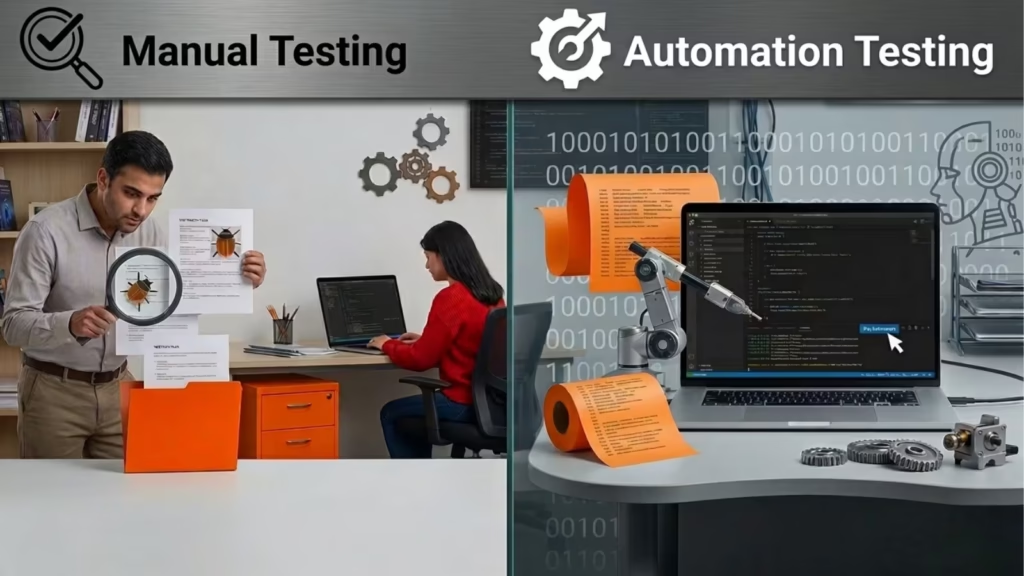
Manual testing is the process of checking software for bugs without using automated tools. In simple terms, testers act like regular users and manually interact with the application to make sure everything works correctly.
Manual Testing Career Scope
The Manual Testing Career Scope remains strong, especially in smaller teams and companies that don’t yet use complex tools. Manual testing teaches you how software behaves from a real user’s point of view — a skill that is still very valuable even in automated environments.
Because manual testing doesn’t require coding, many beginners prefer it as their first step into software testing. It helps you learn essential concepts such as test planning, test case design, exploratory testing, and defect reporting.
What is Automation Testing?
Automation testing uses software tools to automatically execute test cases and compare actual results with expected outcomes. Instead of doing repetitive steps manually, you write scripts that perform the actions for you.
Automation tools like Selenium, Appium, and Cypress are popular in the industry. This type of testing is especially helpful when you have large projects with repetitive tasks or frequent releases.
Manual vs Automation Testing: Key Differences
| Feature | Manual Testing | Automation Testing |
|---|---|---|
| Required Tools | None, testing is done manually | Tools like Selenium, Appium, or Cypress are needed |
| Coding Requirement | Not needed | Coding skills are required to write test scripts |
| Execution Speed | Slower due to human effort | Faster, automated scripts run repeatedly without fatigue |
| Best Use Cases | User interface testing, exploratory, and ad‑hoc testing | Regression testing, repetitive tasks, large projects |
| Initial Investment | Low, minimal setup cost | Medium to high, considering tools and setup effort |
Salary Comparison: Manual vs Automation
One of the most common questions students ask is “which pays more?”
Manual vs Automation Testing Salary in India
In India, entry‑level manual testers usually start with moderate salaries. As you gain experience and learn tools, the pay increases steadily. However, in most cases, automation testers earn higher average salaries compared to manual testers due to the technical skills required.
Here’s a closer look:
- Manual Testing Salary India (Entry Level): Typically lower than automation roles.
- Automation Testing Salary India (Experienced): Often higher than manual testing due to coding and tool expertise.
This difference is reflected in many job listings and reports, which show automation roles paying more as you grow in experience. Keep in mind that salary also depends on the company size, city, and your skill level.
Why Companies Prefer Automation
A key reason for the growth of automation testing is efficiency. When companies release updates frequently (like weekly or daily builds), manual testing can take too long. Automation helps speed up testing cycles and release products faster.
Here are a few major reasons companies invest in automation:
- Fewer human errors
- Higher testing speed
- Scripts that can be used multiple times
- Better for large projects
Who Should Choose Manual Testing?
Manual testing is not outdated — far from it. It is a strong choice if you:
- Are a beginner with no knowledge of coding
- Want to learn how software works from a user perspective
- Prefer jobs focusing on logic, planning, and human insight
- Work in companies where automation isn’t yet used
Many testers start their career with manual testing and later transition into automation as they get comfortable with coding and tools.
Who Should Choose Automation Testing?
Automation testing is ideal if you:
- Enjoy coding or want to learn programming
- Like working with tools and scripts (e.g., Selenium)
- Want to take on advanced testing roles
- See yourself growing into roles like QA Lead, SDET (Software Development Engineer in Test), or Test Architect
Automation skills are in demand because companies aim to reduce testing time and speed up product releases.
Automation vs Manual Testing Future Trends
Software development is evolving rapidly, and testing is no exception. When we look at Automation vs Manual Testing Future Trends, we can predict what skills will remain in demand.
1. Intelligent Testing with AI and Machine Learning
Testing tools are becoming more advanced. AI is now helping create test scripts, automatically generate test cases, and quickly analyze results with greater accuracy.
2. Shift‑Left Testing
In many teams, testing starts earlier (during coding) instead of after development. This increases collaboration and reduces bugs later in the cycle.
3. Cloud-Powered Testing
More companies are using cloud platforms to run automated tests at scale. This helps support global teams and faster testing.
Even as automation grows, manual testing is still needed when human judgment matters, like in usability and exploratory testing.
Skills You Need to Succeed
Manual Testing:
- Understanding SDLC (Software Development Life Cycle)
- Creating test cases
- Bug tracking tools (e.g., JIRA)
- Strong focus on accuracy
Automation Testing:
- Coding skills in languages like Python or Java
- Automation tools like Selenium and Appium
- Source code management using Git
- Basic CI/CD concepts (Jenkins, GitHub Actions)
Whether you choose manual or automation, continuous learning is key to staying ahead in your career.
Software Testing Jobs in India: What to Expect
The tech industry in India is booming — and so are Software Testing Jobs in India. With digital transformation across industries, companies need reliable testing professionals to ensure quality products. Both manual and automation testers are hired across sectors such as finance, healthcare, e‑commerce, and education technology.
Many entry‑level jobs begin with manual testing. As you build experience and technical skills, you’ll find more opportunities in automation testing, with higher responsibilities and better pay.
Which Path Should You Choose?
Deciding between Manual Testing vs Automation Testing depends on your current skills and future goals.
If you are new, want a gentle start into software quality, and enjoy understanding user behavior, manual testing is a great choice.
If you like coding, enjoy solving problems with tools, and want higher salary potential, automation testing will be a strong fit.
Both paths have growth opportunities — and many professionals eventually learn both. Your career success will come from continuous growth, practical experience, and adaptability.
If you’re serious about building a strong foundation in software testing, consider enrolling in a quality course — for example, a program by whalecourse Technologies that covers both manual and automation topics in detail. Companies value testers who understand the full picture.
Start Your Data Analytics Career Today
Join WhaleCourseTechnologies for affordable training with hands-on projects and placement support.
Conclusion
Today’s testing landscape offers diverse career paths, whether you choose manual testing or automation. Administrative tasks may still benefit from human insight, while automation leads in speed and scalability. With the right skills, certification, and hands‑on experience, you can excel in Software Testing Jobs in India and beyond.
Keep learning, stay curious, and choose the path that fits your passion and goals. And remember — mastering both manual and automation testing will make you a well‑rounded, highly valuable professional in the world of software quality.
Learn more about skills, tools, and job readiness to stay ahead in the testing community.
In This Article
- What is Manual Testing?
- What is Automation Testing?
- Manual vs Automation Testing: Key Differences
- Salary Comparison: Manual vs Automation
- Why Companies Prefer Automation
- Who Should Choose Manual Testing?
- Who Should Choose Automation Testing?
- Automation vs Manual Testing Future Trends
- Skills You Need to Succeed
- Software Testing Jobs in India: What to Expect
- Which Path Should You Choose?
- Conclusion
Enroll in Our IT Courses
Master IT Program at whalecoursetechnologies
- Expert Mentorship from IT Professionals
- Job-Ready Skills with Live Projects
- Career Boost Add-on Modules
- 100% Placement & Interview Support